
Lyme Disease Awareness Month

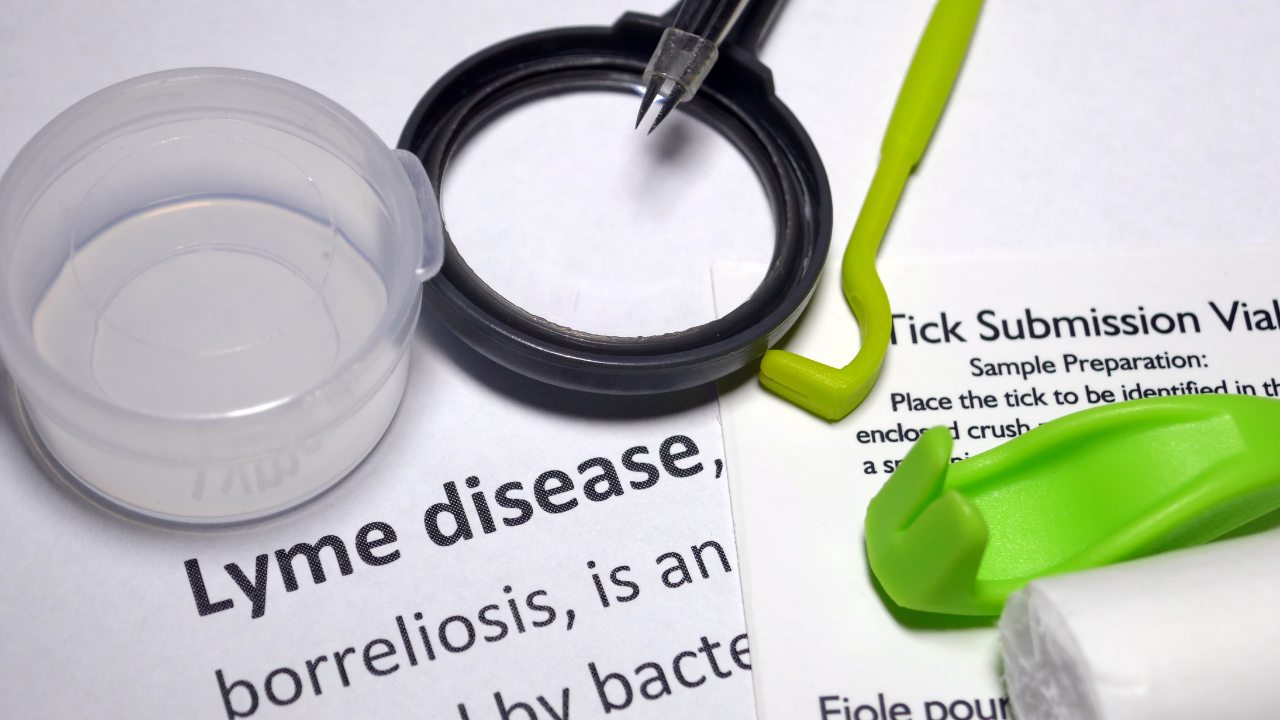
May is Lyme Disease Awareness Month
New research suggests that there may be more than one way for Lyme disease to be contracted. It is widely known that Lyme disease is transmitted through the bite of a tick that carries the infection. However, new theories suggest that more than just that one factor leads to the development of the disease. The reason is that it is not uncommon for multiple members of a family to develop the disease. Because of this, it seems unlikely that it would be common for more than one person living in the same house to be bitten by the same tick. When I say “multiple members of a family living in the house,” I’m referring to the fact that they share the same microbiome environment. It is not that they were bitten by the same tick that somehow found its way inside.
Some researchers now wonder whether environmental factors or genetic predisposition may also contribute to Lyme disease susceptibility. Shared water sources, indoor pets, and even similar immune system responses may play a role. Families often have overlapping exposures, and if one person contracts Lyme disease, others in the same environment might face higher risk. While the tick bite remains the primary transmission method, scientists are taking a broader view. This growing body of evidence calls for deeper research into how Lyme disease truly spreads and why it affects some households more than others.
Lyme Disease and Microbiomes
Each household has its own unique microbiome. People who live together often share similar gut bacteria. This shared environment can influence health in similar ways. When one person has a health issue, others in the same household may also be at risk. This doesn’t mean Lyme disease is hereditary—it’s not. We’re talking about environmental factors, not genetics.
If one family member has a gut bacteria deficiency, others might too. Gut health plays a huge role in how the body fights illness. This may affect how susceptible someone is to developing Lyme disease. While we don’t fully understand how microbiomes relate to the spread of Lyme disease, it’s a theory researchers are exploring. It may explain why multiple people in the same home can suffer from it without being bitten by the same tick.
Celebrity Ambassadors
It might seem silly to care that a celebrity has Lyme disease. Over 300,000 people are diagnosed with it every year in the U.S. So why does a famous person’s illness matter? It’s simple—awareness. Celebrities can shine a light on diseases that often go unnoticed.
Selena Gomez brought lupus into the public eye. Bella Hadid and Avril Lavigne have done the same for Lyme disease. They use their platforms to educate and advocate. And that matters. More awareness means more research, funding, and eventually—better treatments. So, whether or not you’re a fan, their voices help the entire Lyme disease community.
Tick Bites
Lyme disease is caused by a bite from an infected tick. Not every tick carries Lyme disease, but many do. About 50–70% of people bitten develop a red, circular rash. This rash often looks like a bull’s-eye. It usually appears within a week or two of the bite. It isn’t itchy or painful but signals the body’s immune response.
Other early symptoms include fever, fatigue, stiff neck, swollen lymph nodes, chills, muscle aches, and joint pain. Lyme disease is more common in the northeastern U.S. and wooded areas. But it can happen anywhere. Prevent tick bites by wearing long sleeves and pants, especially in tick-prone areas. Insect repellent also helps reduce your risk.
Why Lyme Disease Awareness Month Matters
Lyme disease can be hard to diagnose. Symptoms can mimic other chronic illnesses, especially autoimmune diseases. This makes it easy to misdiagnose or overlook. Every case is different, and symptoms vary from person to person. Some people experience mild symptoms, while others suffer from severe or long-lasting effects. Lyme Disease Awareness Month helps spread information so people can get diagnosed and treated earlier.
Signs and Symptoms of Lyme Disease
Symptoms of Lyme disease may appear months after the tick bite. They often come and go, making diagnosis more difficult. Here are some common symptoms:
Memory problems or brain fog
Numbness, tingling, or shooting nerve pain
Body-wide inflammation, especially in joints
Muscle, bone, and connective tissue pain
Dizziness or shortness of breath
Irregular heartbeat (arrhythmia)
Neck stiffness and severe headaches
Facial paralysis or palsy
Arthritis, especially in large joints like the knees
Rashes (other than the initial tick bite rash)
Diagnosis and Treatment
Lyme disease is diagnosed with a two-step blood test. Doctors recommend both tests to confirm the diagnosis. Treatment usually involves antibiotics. Early treatment can clear the infection. Most people respond well to antibiotics and recover quickly.
Some people, however, develop Post-Treatment Lyme Disease Syndrome (PTLDS), also called chronic Lyme disease. PTLDS can last for six months or more. It can affect the ability to work or function. Symptom-specific treatments can help manage the pain and fatigue.
Physical therapy, diet, and supportive care can improve quality of life. Many people do recover or improve over time, but some may deal with lasting symptoms.
Personalized Cause® and Lyme Disease Awareness Month
Lyme disease can make people feel helpless and isolated. That’s where Personalized Cause® comes in. Custom awareness ribbons give people a voice. Whether you’re fighting Lyme disease yourself or supporting someone who is, wearing a personalized ribbon can help. It shows strength, raises awareness, and sparks conversations.
We offer engraved Lyme disease awareness ribbons that you can customize with a name or message. It’s a powerful way to advocate and connect with others. In addition to custom pins, we carry lime green fabric ribbons, silicone wristbands, and more. We never require bulk orders for personalized items—order one or one hundred, it’s up to you.
Final Thoughts on Lyme Disease Awareness
Lyme disease is more than just a tick bite. It can be a lifelong battle. Awareness is the first step to early diagnosis and effective treatment. During Lyme Disease Awareness Month, take the time to learn, share, and support others. Whether you wear a ribbon, share a story, or help someone feel seen—your voice matters. Together, we can bring more light to Lyme disease and push for better outcomes for everyone affected.
Recommended Articles:
You can view recommended articles for more information.
Post Tags :