
Asthma Awareness Month


May Is Asthma Awareness Month
Every May, we recognize Asthma Awareness Month. This month is dedicated to raising awareness about asthma, a chronic condition that affects the airways and makes breathing difficult. Asthma can impact anyone—children, teens, and adults. It is one of the most common respiratory diseases worldwide. Symptoms include coughing, wheezing, chest tightness, and shortness of breath. Triggers may include allergens, smoke, pollution, exercise, or stress. While there is no cure, asthma can be managed with proper treatment, medication, and lifestyle adjustments. Raising awareness is key to helping those who live with asthma. Education helps people recognize symptoms, seek medical care, and prevent attacks. By spreading knowledge, we can reduce stigma, improve resources, and support families living with this condition. During this month, we focus on early diagnosis, better access to care, and stronger community support.
Symbols of Asthma Awareness
The symbols of Asthma Awareness Month are gray enamel pins, fabric ribbons, and silicone wristbands. These simple items carry powerful meaning. They represent strength, unity, and compassion for those living with asthma. Wearing gray is a visible way to show support. It starts conversations and spreads knowledge about the condition. Communities often hold events, fundraisers, and educational programs in May to promote awareness. Sharing stories online also helps build a stronger support network. When people wear gray ribbons or wristbands, they stand in solidarity with the asthma community. These awareness symbols remind us that asthma is not invisible and that those affected deserve care, research, and respect. Every ribbon, pin, and wristband helps amplify the message of hope and support during Asthma Awareness Month.
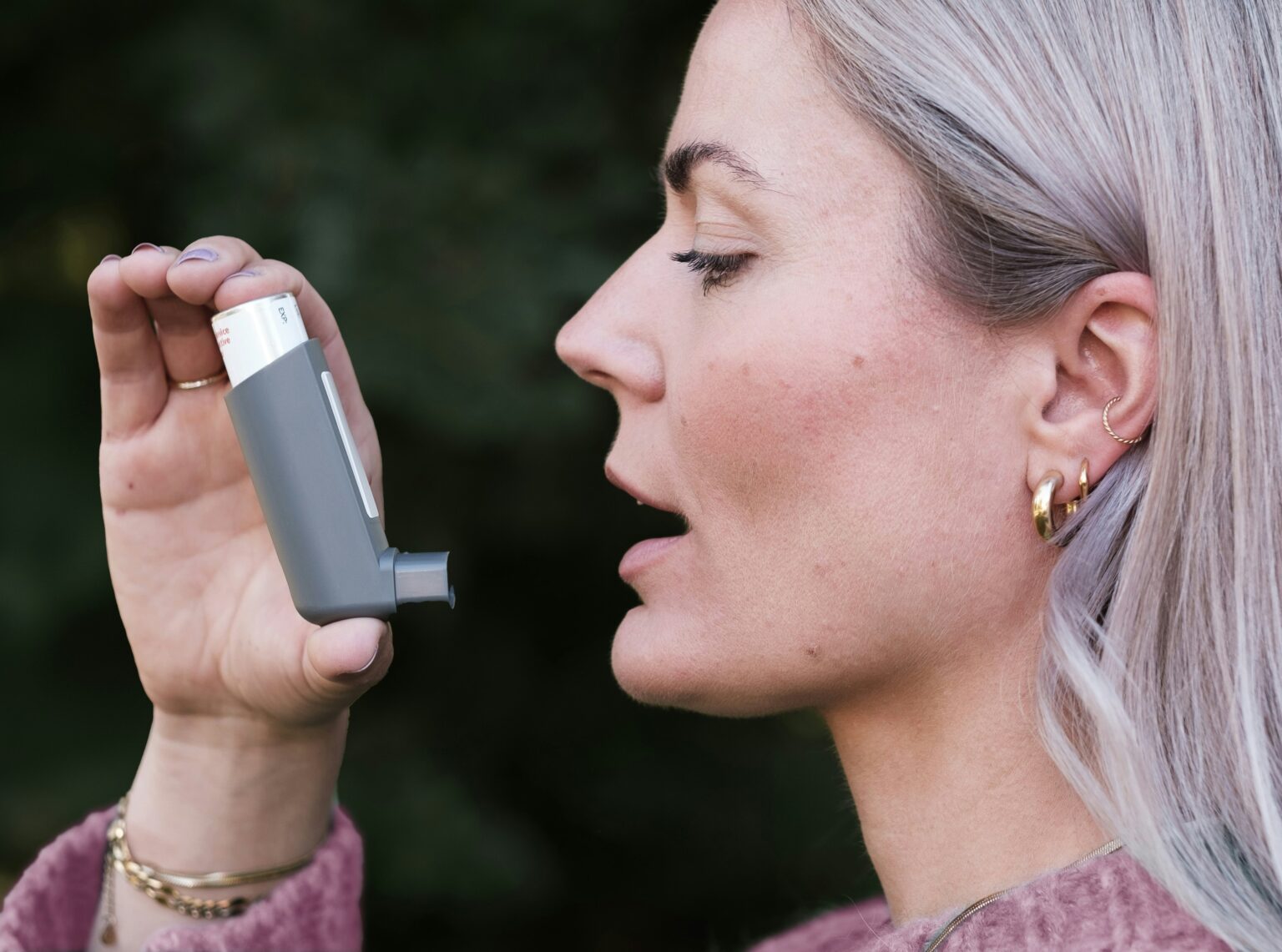
Asthma Awareness Month
May is Asthma Awareness Month, a time to highlight education, prevention, and support for those living with asthma. The awareness color is gray, symbolized by enamel pins, fabric ribbons, and silicone wristbands. Teal is also sometimes used to represent both allergies and asthma.
Asthma is a common condition that affects people of all ages, from children in schools to professional athletes and musicians. When properly treated and managed, asthma does not prevent individuals from achieving their goals. However, if uncontrolled, asthma can become serious and even life-threatening.
Understanding Asthma
Asthma is a chronic inflammatory condition of the lungs. It makes breathing difficult and may cause wheezing, coughing, chest tightness, or shortness of breath. Symptoms often worsen with exercise, allergies, pollution, or at night.
The condition is believed to develop through a combination of genetic and environmental factors. In some families, asthma appears to run across generations. Triggers vary but may include allergens, smoke, infections, or even weather changes.
The word asthma comes from the Greek term for “panting,” reflecting the breathing difficulties it causes.
Inflammation and Triggers
Asthma symptoms occur when the bronchial tubes become inflamed in response to a trigger. Inflammation causes the airways to narrow, produce excess mucus, and spasm. This leads to coughing, wheezing, and difficulty breathing.
When these symptoms appear suddenly and severely, it is called an asthma attack. Attacks must be treated promptly to prevent worsening inflammation and permanent damage.
Recognizing Symptoms
Symptoms vary by person and trigger, but common signs include:
Persistent coughing, especially at night
Wheezing during breathing or exercise
Shortness of breath
Chest tightness
Fatigue during activity
Allergy-like symptoms, such as congestion and sneezing
Difficulty sleeping due to nighttime symptoms
Early recognition can lead to faster diagnosis and treatment.
Treatment Options
Asthma treatments usually include anti-inflammatories and steroids, delivered through inhalers or nebulizers. Inhalers may combine two medications or provide steroids alone. Rescue inhalers help open airways quickly during an attack.
Nebulizers are especially useful for children, infants, and older adults who may have difficulty with inhalers. In some cases, doctors prescribe oral corticosteroids following severe attacks to reduce inflammation and speed recovery.
Raising Awareness
Asthma Awareness Month emphasizes the importance of education, treatment access, and prevention. Gray ribbons, pins, and wristbands symbolize support and spark important conversations about this common but serious condition.
By promoting awareness, communities can improve understanding, reduce stigma, and help individuals with asthma live full, active, and healthy lives.
Recommended Articles:
You can view recommended articles for more information.
1_Juvenile Arthritis Awareness Month
Post Tags :