
Celiac Disease Awareness Month

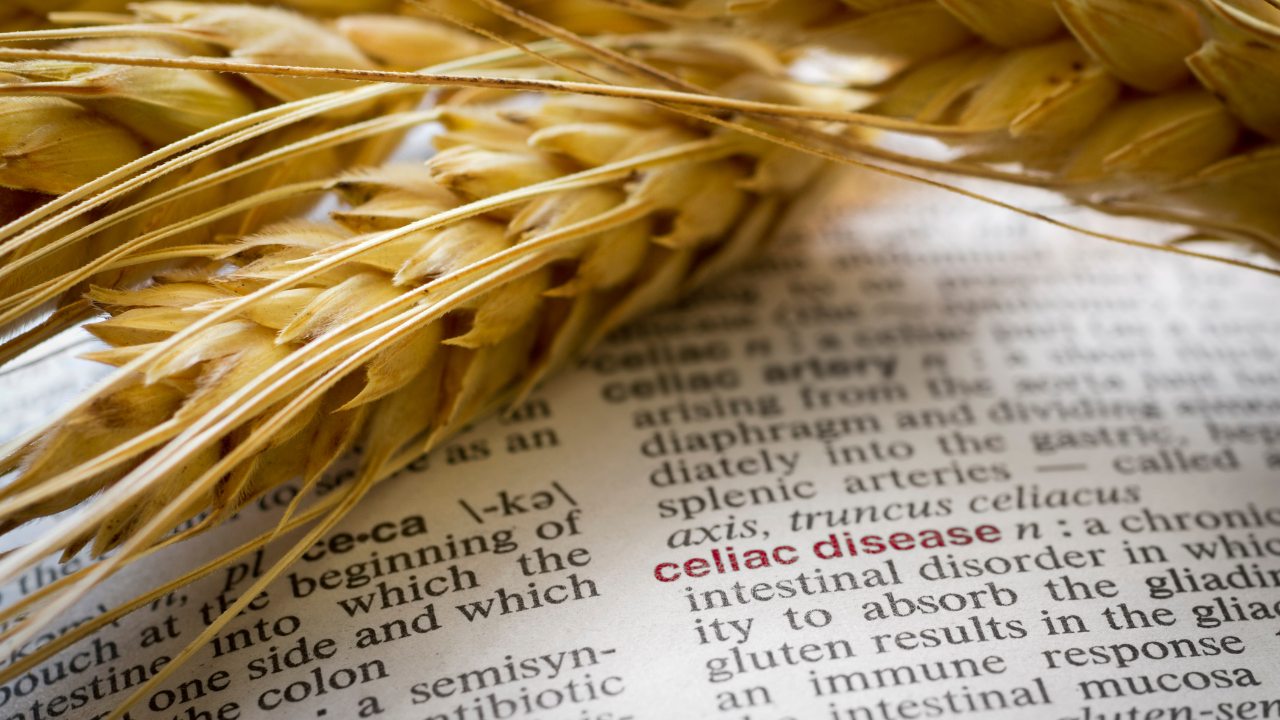
May is Celiac Disease Awareness Month
Celiac disease is a serious autoimmune disorder. It happens when the body reacts to gluten, a protein found in wheat, barley, and rye. People with celiac disease cannot eat foods containing gluten without triggering an immune response. This response damages the small intestine and prevents proper nutrient absorption.
Celiac disease affects people of all ages and backgrounds. Symptoms can vary widely, from digestive problems to fatigue and joint pain. Some people have no obvious symptoms at all. Early diagnosis and a strict gluten-free diet are key to managing celiac disease and preventing long-term health issues.
What Is Celiac Disease?
Celiac disease is an autoimmune condition. It affects the small intestine and is triggered by eating gluten. Gluten is a protein found in wheat, barley, and rye. When someone with celiac disease eats gluten, their immune system attacks the lining of the small intestine. This leads to inflammation and damage.
Even small amounts of gluten can cause harm. Repeated exposure—even if accidental—can result in permanent damage over time. This damage can lead to malabsorption of nutrients. As a result, people with celiac disease may develop deficiencies in iron, calcium, or other essential vitamins and minerals. That’s why celiac disease is often linked to conditions like anemia and osteoporosis.
Symptoms
Celiac disease looks different for every person. Some people experience diarrhea and bloating. Others might have vomiting, weight loss, or skin issues. Some may suffer from fatigue, brain fog, or mood changes. Women may notice irregular periods or infertility.
Symptoms can be misleading. For example, someone may have severe cramping and anemia, which could be mistaken for a reproductive issue. Because symptoms vary so much, many people go years without a diagnosis. But without treatment, permanent damage can occur.
Celiac Disease and Autoimmune Conditions
Celiac disease is part of a group of illnesses called autoimmune diseases. These diseases cause the body to attack its own healthy cells. Many people with one autoimmune disease eventually develop another. Symptoms often overlap. That makes diagnosis tricky and time-consuming.
Common autoimmune diseases linked to celiac disease include lupus, thyroid disorders, type 1 diabetes, rheumatoid arthritis, and Sjögren’s syndrome. Diagnosing one condition may lead doctors to uncover another.
Reproductive Health
Celiac disease can affect reproductive health. In women, it may cause irregular periods, infertility, and even miscarriage. Some babies born to mothers with untreated celiac disease may have birth defects due to poor nutrient absorption. Children with celiac disease may not grow properly or gain enough weight.
Other complications of celiac disease can include osteoporosis, neurological issues, and in rare cases, intestinal cancer. The longer the disease goes untreated, the higher the risk of serious problems.
How Doctors Diagnose Celiac’s Disease
Getting a diagnosis is usually simple and non-invasive. It begins with a doctor’s visit. Your provider will ask about symptoms, diet, and family history. You may be asked to keep a food diary.
Doctors often run blood tests to look for specific antibodies linked to celiac disease. These tests can also show if nutrient levels are too low. In some cases, a stool sample may be needed. A biopsy of the small intestine may also be recommended for confirmation.
If you suspect celiac disease, speak to your doctor. The earlier it’s diagnosed, the better. Starting a gluten-free diet can help prevent permanent damage and restore health.
Personalized Cause® and Celiac Disease Awareness Month
At Personalized Cause®, we believe awareness can change lives. Celiac Disease Awareness Month is a chance to educate others and support those who live with this condition. Our mission is to provide high-quality awareness products that create conversation and show support.
We specialize in custom awareness ribbon pins engraved with a name, date, phrase, or message. We are proud to be the only U.S. company offering one-piece personalized ribbons—no bulk orders required. Whether you want to support someone you love or raise awareness for celiac disease, our products make it easy.
The Power of a Ribbon
One ribbon can make a difference. It can show support, spark a conversation, or encourage someone to learn more. Celiac disease is invisible to many. A personalized awareness ribbon gives it a face and a name. It makes the struggle real—and more human.
If you or someone you love is living with celiac disease, our light green awareness ribbons are here for you. Whether you wear one for strength, solidarity, or awareness, it matters. Every ribbon tells a story. Let yours be heard.
Recommended Articles:
You can view recommended articles for more information.
Post Tags :