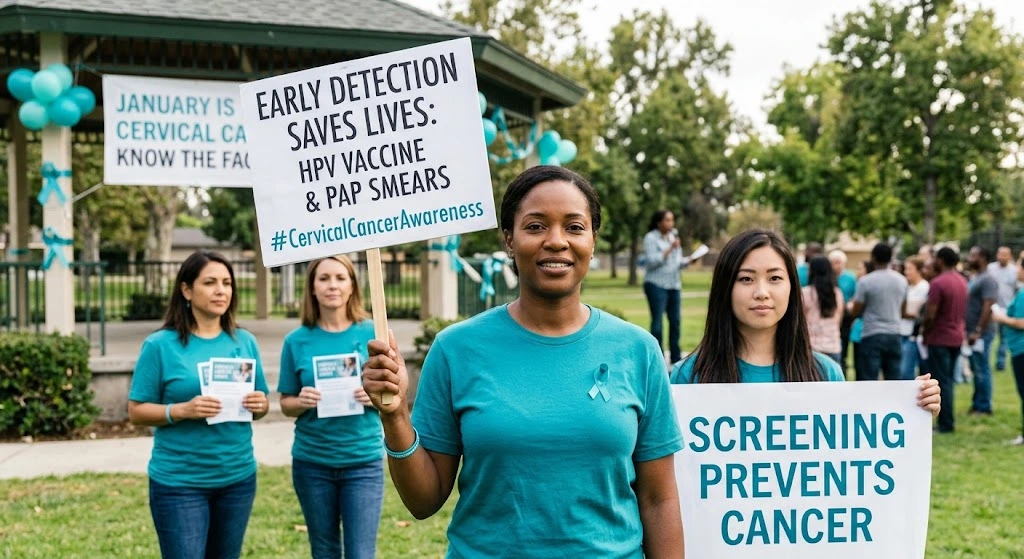
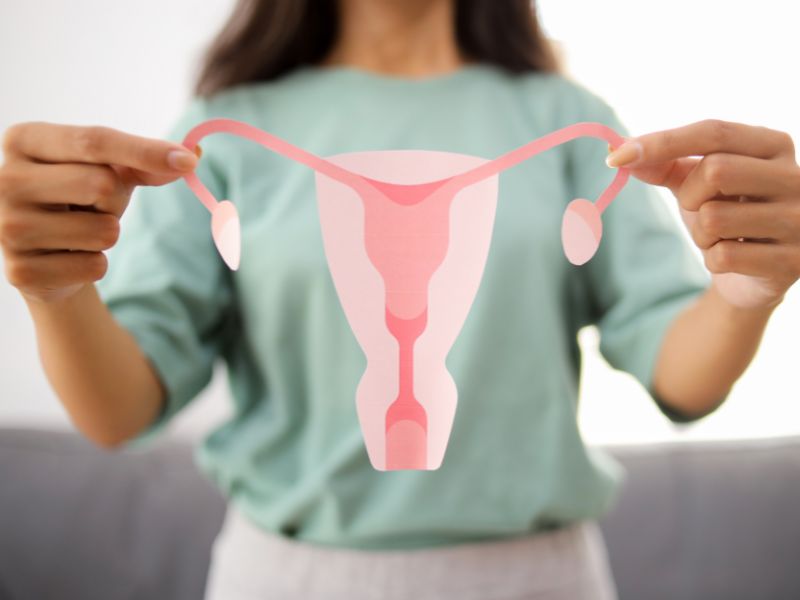
Cervical cancer begins in the cells of the cervix, the lower part of the uterus that connects to the vagina. Nearly all cervical cancers are caused by persistent infection with high-risk types of the human papillomavirus (HPV). Thanks to HPV vaccination and routine screening, cervical cancer is one of the most preventable forms of cancer.
Types of cervical cancer
* Squamous cell carcinoma (70–80%) * Begins in the thin, flat cells lining the outer cervix. * Most common type. * Adenocarcinoma (20–25%) * Begins in the glandular cells lining the cervical canal. * Incidence has increased in recent decades. * Adenosquamous carcinoma * Contains both squamous and glandular cancer cells. * Rare.
Common symptoms
Early cervical cancer often causes no symptoms, which is why regular screening is so important.
As the disease progresses, symptoms may include:
* Abnormal vaginal bleeding (between periods, after sex, or after menopause) * Heavier or longer menstrual periods * Watery, bloody, or foul-smelling vaginal discharge * Pelvic pain * Pain during intercourse * Lower back pain * Painful urination (advanced disease) * Swelling of one or both legs (advanced disease) * Fatigue and unexplained weight loss (advanced disease)
Any abnormal bleeding should be evaluated by a healthcare provider
Risk factors
Several factors increase the risk of cervical cancer:
* Persistent infection with high-risk HPV (especially HPV 16 and 18) * Not receiving the HPV vaccine * Smoking * Weakened immune system (such as HIV infection or immunosuppressive medications) * Multiple sexual partners or a partner with multiple partners * Early age at first sexual activity * Long-term oral contraceptive use (slightly increased risk that declines after stopping) * Lack of regular cervical cancer screening
Can cervical cancer be prevented?
Yes. Cervical cancer is one of the few cancers that can often be prevented.
Risk-reducing measures include:
HPV vaccination
Routine cervical cancer screening
Smoking cessation
Practicing safer sex
Prompt follow-up of abnormal screening results
Screening
Routine screening can detect precancerous changes before they become cancer.
Current U.S. recommendations generally include:
* Ages 21–29: Pap test every 3 years * Ages 30–65: Primary HPV testing every 5 years (preferred), HPV/Pap co-testing every 5 years, or Pap test every 3 years
Screening recommendations may vary based on personal risk factors, prior abnormal results, or immune status.
HPV vaccination
HPV vaccination helps prevent infection with the HPV types responsible for most cervical cancers and several other cancers.
Vaccination is routinely recommended for:
* Boys and girls beginning at ages 11–12 (can start at age 9) * Individuals who were not vaccinated when younger may still benefit through age 26, and in some cases ages 27–45 after discussion with their healthcare provider.
Diagnosis
If screening results are abnormal, evaluation may include:
* Repeat HPV testing * Pap test * Colposcopy (magnified examination of the cervix) * Cervical biopsy * Endocervical sampling * Imaging (CT, MRI, or PET scan) if cancer is confirmed
Treatment depends on the stage, overall health, and fertility goals.
Options may include:
Surgery (cone biopsy, hysterectomy, radical hysterectomy)
Radiation therapy
Chemotherapy
Targeted therapy
Immunotherapy (for selected advanced or recurrent cancers)
Clinical trials
Early-stage cervical cancer is often highly curable.
Survival
When detected early, cervical cancer has an excellent prognosis.
Approximate 5-year survival rates
Stage
Approximate Survival
Localized
Over 90%
Regional
About 60–70%
Distant
About 20%
Prevention Tips
* Receive the HPV vaccine if eligible. * Keep up with recommended cervical cancer screening. * Avoid smoking. * Practice safer sex. * Follow up promptly after any abnormal Pap or HPV test.