Understanding Blood Conditions and Disorders Awareness
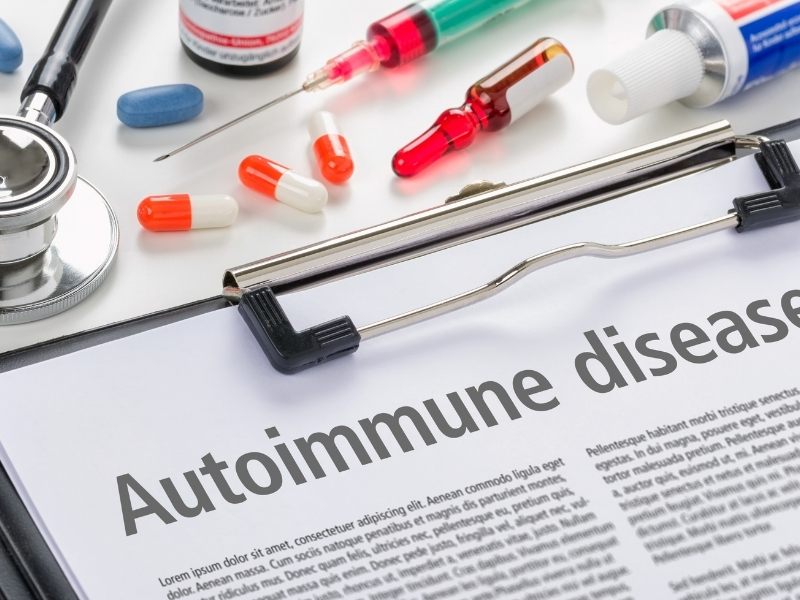
Blood conditions and disorders affect the components of blood—red blood cells, white blood cells, platelets, clotting factors, and plasma—and can range from mild and manageable to complex and life-threatening. Awareness efforts help educate the public about common blood disorders, including anemia, bleeding and clotting disorders, platelet disorders, and blood cancers that originate in the blood or bone marrow. Some conditions are inherited, while others develop later in life due to autoimmune diseases, infections, nutritional deficiencies, medications, or other underlying health concerns. Recognizing potential warning signs such as fatigue, easy bruising, recurrent infections, shortness of breath, excessive bleeding, or unexplained blood clots can encourage individuals to seek medical attention sooner.
The Importance of Blood Disorder Awareness
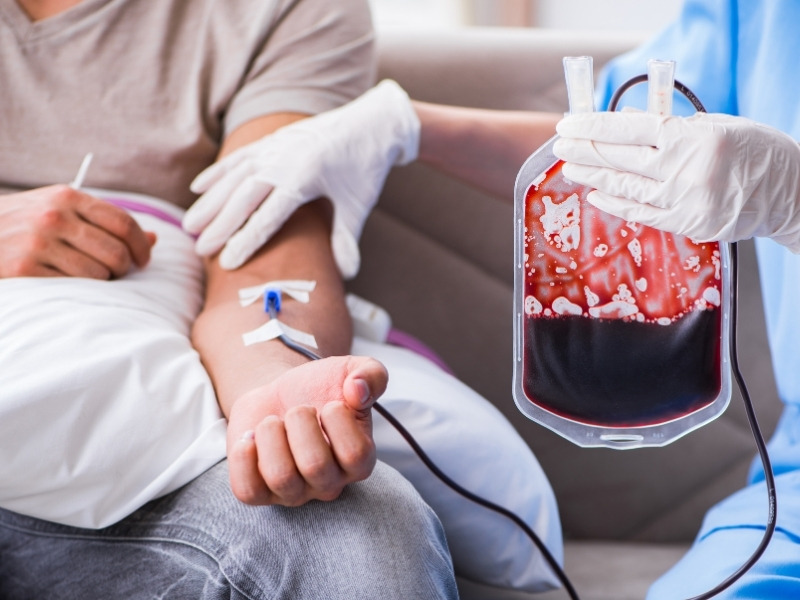
Increasing awareness of blood conditions promotes early detection, timely diagnosis, and access to appropriate treatment and support. Diagnostic evaluation may include blood tests, imaging studies, genetic testing, or consultation with a hematology specialist to identify the underlying cause. Treatment varies depending on the specific disorder and may involve dietary changes, medications, blood transfusions, clotting therapies, immunotherapy, chemotherapy, or ongoing monitoring. By sharing knowledge, supporting research, and encouraging people to pay attention to persistent symptoms, blood disorder awareness empowers individuals and families to advocate for their health and improve outcomes and quality of life.
Key Patterns
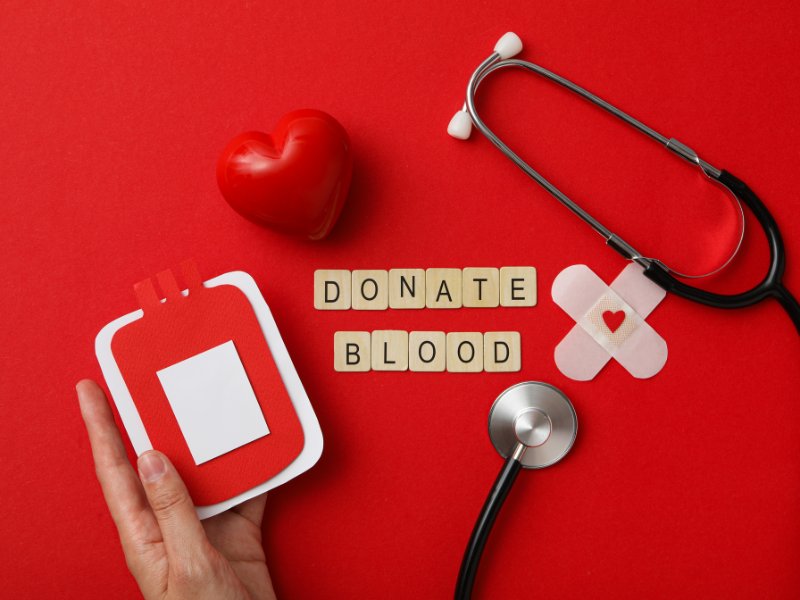
Red is the dominant and universal color for blood-related conditions
Orange is strongly associated with leukemia and some blood cancers
Lime green is specific to lymphoma awareness
Burgundy is often used for multiple myeloma and related conditions
Purple may appear in autoimmune-related blood disorders
Important Note
There is no universal standard for blood disorder awareness colors
Many colors are defined by specific organizations or campaigns
Overlap between categories is common, especially in complex conditions
Color meaning is best understood alongside the condition name