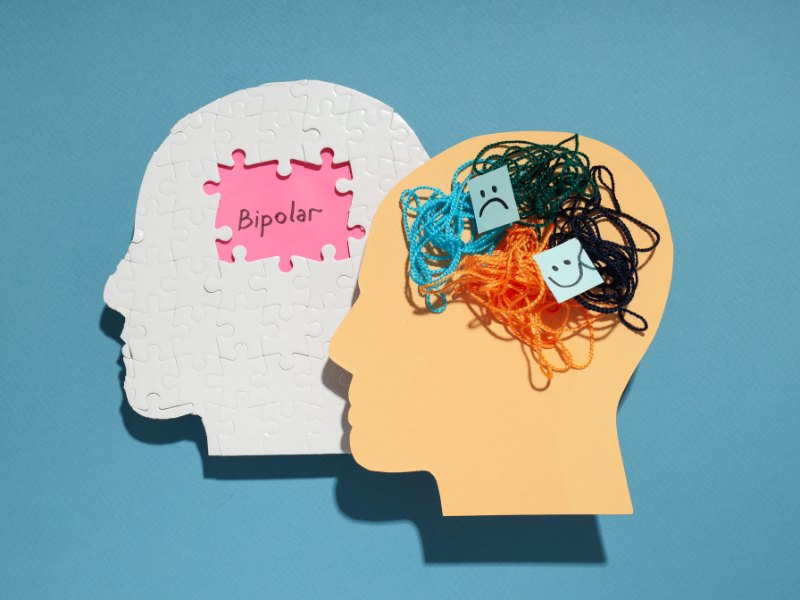
Mental health disorders affect millions of people worldwide, yet stigma and misunderstanding continue to surround these conditions. Disorders such as depression, anxiety disorders, bipolar disorder, obsessive-compulsive disorder, eating disorders, and schizophrenia are legitimate medical conditions—not character flaws or signs of weakness. Unfortunately, many individuals delay seeking help because they fear being judged, dismissed, or treated differently. Greater awareness is needed to challenge harmful stereotypes, encourage open conversations, and help people understand that mental illnesses can affect anyone, regardless of age, background, or circumstance.
The Need for Greater Understanding and Advocacy
Increasing awareness of mental disorders can lead to earlier recognition of symptoms, improved access to treatment, and stronger support systems within families, schools, workplaces, and communities. Education helps people recognize warning signs, respond with compassion, and encourage those who are struggling to seek professional help without shame. By continuing to advocate for mental health education, reducing stigma, and expanding access to quality care, we can create a society where mental health is treated with the same importance as physical health and where no one feels alone in their journey toward healing and recovery.
Key Patterns
Green is the primary color for general mental health awareness
Teal is widely used for anxiety, trauma, and stress-related conditions
Purple appears frequently in mood, personality, and neurological conditions
Blue is commonly used for eating disorders and neurodevelopmental conditions
Red is associated with addiction and substance use disorders
Important Note
There is no universal standard for mental health awareness colors
Many conditions share colors due to overlapping advocacy efforts
Some conditions use symbols or campaigns rather than color alone
Color meaning is best understood alongside the condition name
January — Mental Wellness Month February — Eating Disorders Awareness Month March — Self-Harm Awareness Month April — Autism Acceptance Month May — Mental Health Awareness Month Mental Health Awareness Month May — Borderline Personality Disorder Awareness Month May — Maternal Mental Health Awareness Month June — PTSD Awareness Month July — Minority Mental Health Awareness Month September — Suicide Prevention Awareness Month October — ADHD Awareness Month October — Depression Awareness Month October — Domestic Violence Awareness Month November — Alzheimer’s Awareness Month December — Seasonal Affective Disorder Awareness Month