
Suicide Awareness Month: How to Help Those in Need

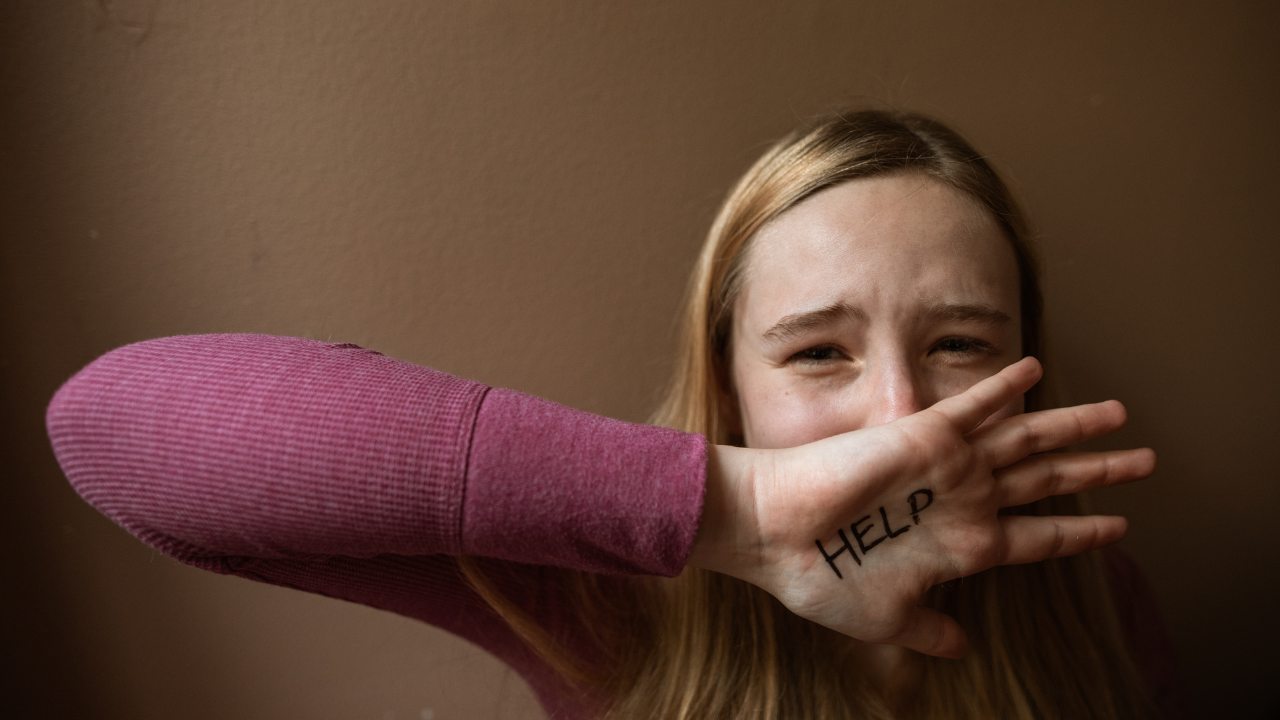
Throughout September, advocates, organizations, and communities unite to raise awareness for suicide prevention.
Suicide Prevention Week is a time for people to share stories and resources around suicide prevention awareness. In addition, World Suicide Prevention Day is a day to remember people who have been affected by suicide and to bring attention to treating those in need.
It’s also a time to remind ourselves that mental health support is essential and that help is always available. By fostering open conversations, checking in on loved ones, and spreading awareness about warning signs and resources, we can create a community of care and connection. Even small acts of kindness or listening without judgment can make a life-saving difference.
Suicide Awareness Month
September is Suicide Awareness Month, a time dedicated to opening up the conversation around suicide prevention, supporting those affected, and reducing stigma around mental health struggles. This month encourages healing through awareness, education, and compassion. Suicide is a complex and deeply personal issue, but with increased understanding and support, lives can be saved. By learning to recognize warning signs and risk factors, we can all play a role in prevention and in fostering a culture of care.
Suicide in the United States
In the United States, suicide is the tenth leading cause of death. In 2019, approximately 1.38 million suicide attempts were reported, and 47,511 Americans lost their lives to suicide. Middle-aged white men are statistically at higher risk—men die by suicide 3.63 times more often than women, and white men accounted for 69.38% of suicide-related deaths in 2019.
Each day, there are an estimated 130 deaths by suicide. While these numbers are deeply concerning, research shows that suicide is often preventable. Recognizing the warning signs and risk factors can have a profound impact on saving lives.
How You Can Help During Suicide Awareness Month
While Suicide Awareness Month brings much-needed attention to the issue each September, suicide prevention is a year-round effort. The goal is to reduce or eliminate the factors that contribute to suicide risk while building strong support systems.
Risk Factors of Suicide
Suicide risk factors often relate to a person’s environment, mental health, or life circumstances. These can include:
Alcohol or drug misuse
Previous suicide attempts
Mental health conditions (e.g., depression, anxiety, bipolar disorder, schizophrenia)
Social isolation
Lack of access to mental health care
Chronic illness or disability
Access to lethal means
Stressful life events (divorce, job loss, financial strain)
Trauma, abuse, or neglect
Knowing someone who has died by suicide
These factors can vary based on age, gender, culture, and personal experiences. Suicide is rarely caused by one single issue—rather, it’s often the result of multiple, intersecting stressors combined with unaddressed mental health concerns.
Warning Signs to Look Out For
Certain behaviors may indicate that someone is struggling and could be at risk:
Talking about feeling hopeless, being a burden, or having no reason to live
Withdrawing from friends and activities
Sleeping too much or too little
Increased use of drugs or alcohol
Researching suicide methods
Expressing fatigue or irritability
Giving away belongings or saying goodbye
Sudden mood swings, especially after a major life event
Aggressive or reckless behavior
If you notice any of these warning signs, reach out. Always assume you might be the only one who does.
How to Talk to Someone About Suicide
If you’re concerned someone may be considering suicide, have a private and supportive conversation. Let them talk without judgment and let them know you care. Ask direct but compassionate questions—such as whether they are thinking about harming themselves.
Avoid giving advice or minimizing their feelings. Instead, help them connect with professional help—a therapist, doctor, crisis line, or emergency services. Remove access to lethal means if possible, and stay with them until they are in safe hands.
If someone tells you they are considering suicide, take them seriously. It might be their way of asking for help when they don’t know how else to express their pain.
Show Support: Wear the Ribbon
Raising awareness can be as simple as starting conversations, educating others, or wearing the teal and purple ribbon to show support for suicide prevention. Being an ally, checking in on loved ones, and sharing resources can help save lives.
Reducing the stigma around mental illness and suicide encourages more people to seek help before reaching a crisis point.
988 Suicide & Crisis Lifeline
If you or someone you know is in crisis, call or text 988, the free, confidential Suicide & Crisis Lifeline available 24/7 in both English and Spanish.
Recommended Articles:
You can view recommended articles for more information.
Post Tags :