
HIV Testing Day

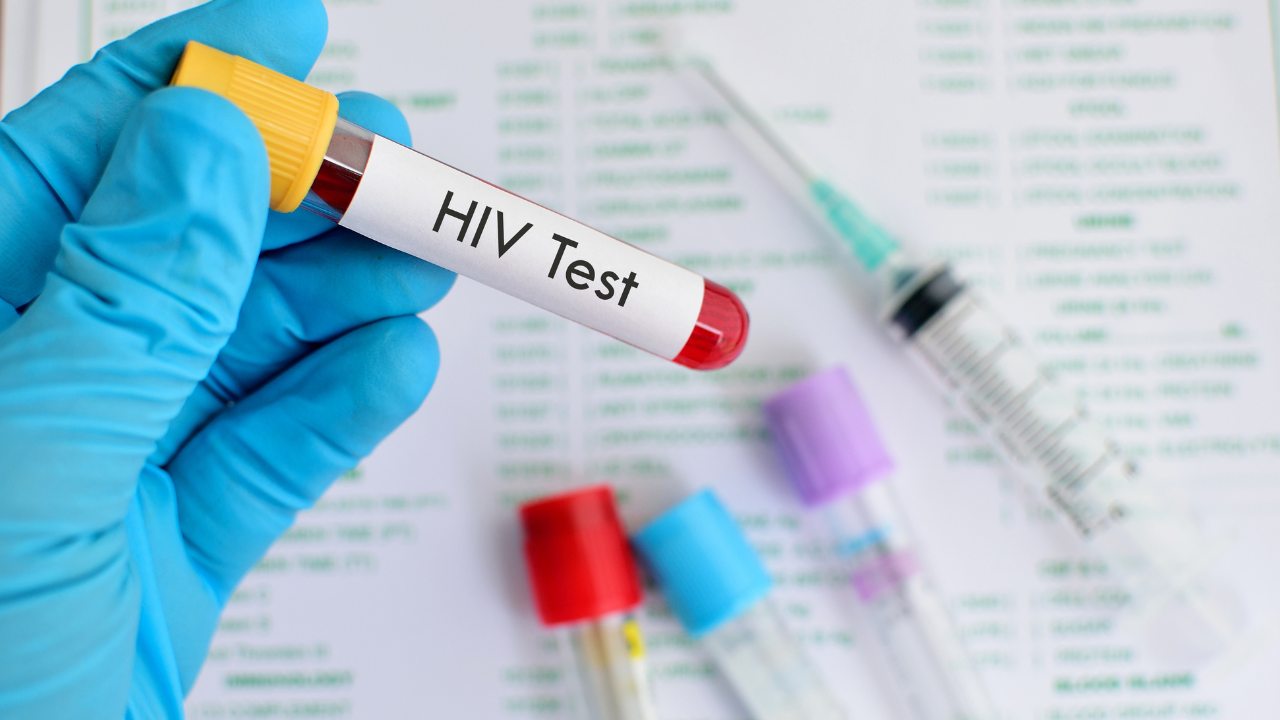
National HIV Testing Day is observed every year on June 27th.
National HIV Testing Day was designed to remind people to get tested at least once per year. This, of course, depends on your sexual activity. The purpose of the day is to catch HIV early because early detection leads to the best possible outcomes. People who are diagnosed and treated early can prevent serious complications, and often the disease does not progress into AIDS. We strive to educate our readers about early detection.
Getting tested also helps reduce the spread of HIV. When people know their status, they can take steps to protect themselves and their partners. Regular testing promotes open conversations about sexual health, encourages safer practices, and helps break the stigma around HIV. On National HIV Testing Day, we urge everyone to take control of their health, support loved ones, and stay informed.
The Basics About HIV
Let’s start with the basics. HIV stands for human immunodeficiency virus. If untreated, HIV can progress to AIDS (acquired immunodeficiency syndrome). Unlike most viruses, such as the flu, the body cannot get rid of HIV completely. Once someone has HIV, they have it for life.
HIV targets the immune system, specifically T cells, which help the body fight infection. As the virus destroys these cells, the immune system weakens. Eventually, the body becomes vulnerable to serious infections and diseases, which occur in the final stage of HIV: AIDS.
HIV and Early Detection – HIV Testing Day Awareness
There is no cure for HIV, but early detection makes the virus much easier to control. The standard treatment is a combination of medications known as ART, or antiretroviral therapy. ART works by reducing the amount of virus in the body and preventing further damage to the immune system.
When started early, ART can significantly prolong life, maintain health, and reduce the chance of transmitting the virus to others. People with HIV who begin treatment promptly and stay on it can live nearly as long as those without the virus. Thanks to these advances, HIV is no longer the death sentence it once was.
Stages of HIV – Stage One: Acute HIV Infection
Stage One of HIV usually begins within 2 to 4 weeks after exposure. It’s called Acute HIV Infection, and its symptoms often resemble the flu: fever, chills, fatigue, and sore throat. During this stage, the virus multiplies rapidly, making the person highly contagious.
Some people may not have symptoms at all, which is why many cases go undetected early. Because of this, testing is essential even when no symptoms are present.
Stages of HIV – Stage Two: Clinical Latency
Stage Two, or Clinical Latency, is also known as Chronic HIV Infection or Asymptomatic HIV. In this stage, the virus continues to reproduce at very low levels. People might not feel sick, and the stage can last for years—sometimes even more than a decade.
However, without treatment, the virus will eventually begin to increase again. As this happens, the immune system starts to weaken, and symptoms may appear just before the transition to Stage Three.
Stages of HIV – Stage Three: AIDS
AIDS is the most advanced stage of HIV. At this point, the immune system is severely compromised. People in this stage often develop serious infections or cancers that a healthy immune system would typically fend off. Symptoms may include fever, chills, fatigue, rapid weight loss, and swollen lymph nodes.
AIDS is diagnosed when a person’s T cell count falls below 200 cells/mm³ or when they develop certain opportunistic infections. People with AIDS have high viral loads and are extremely contagious.
Get Tested on HIV Testing Day
Testing is the only way to know your HIV status. Regular testing not only protects your health—it helps prevent the spread of the virus to others. If you’re sexually active, share needles, or have other risk factors, testing is especially important.
HIV testing is widely accessible, confidential, and often free. Clinics like Planned Parenthood offer no-cost testing, and at-home kits are available as well. You can even find local testing sites by texting your ZIP code to 566948 (KNOW IT). Many organizations host free testing events on National HIV Testing Day, making it easier than ever to take control of your health.
If you’re planning to be sexually active, know your status—and your partner’s—before things get intimate.
Personalized Cause® and HIV Testing Day
If you’re new here, welcome to the Personalized Cause® awareness blog! We specialize in awareness accessories like enamel pins, fabric ribbons, and silicone wristbands. Our signature product is the custom awareness ribbon pin, which can be engraved with a name, date, or message. No minimum quantity required—order one or as many as you need.
We also offer non-personalized awareness products for those who want to show support or raise awareness for a specific cause without customization. Our mission is to make awareness visible and personal—whether it’s for HIV, cancer, mental health, or any other cause close to your heart.
Why HIV Testing Day Matters
HIV Testing Day serves as a powerful reminder that knowledge is protection. Getting tested helps you make informed decisions, protect your partners, and start treatment early if needed. Early detection saves lives. So this year, take a moment to prioritize your health. Get tested, encourage your loved ones to do the same, and help end the stigma around HIV.
Wear a red awareness ribbon to show your support for HIV/AIDS awareness and advocacy.
Recommended Articles:
You can view recommended articles for more information.
1_National Psoriasis Awareness Month
Post Tags :