
World Vitiligo Day

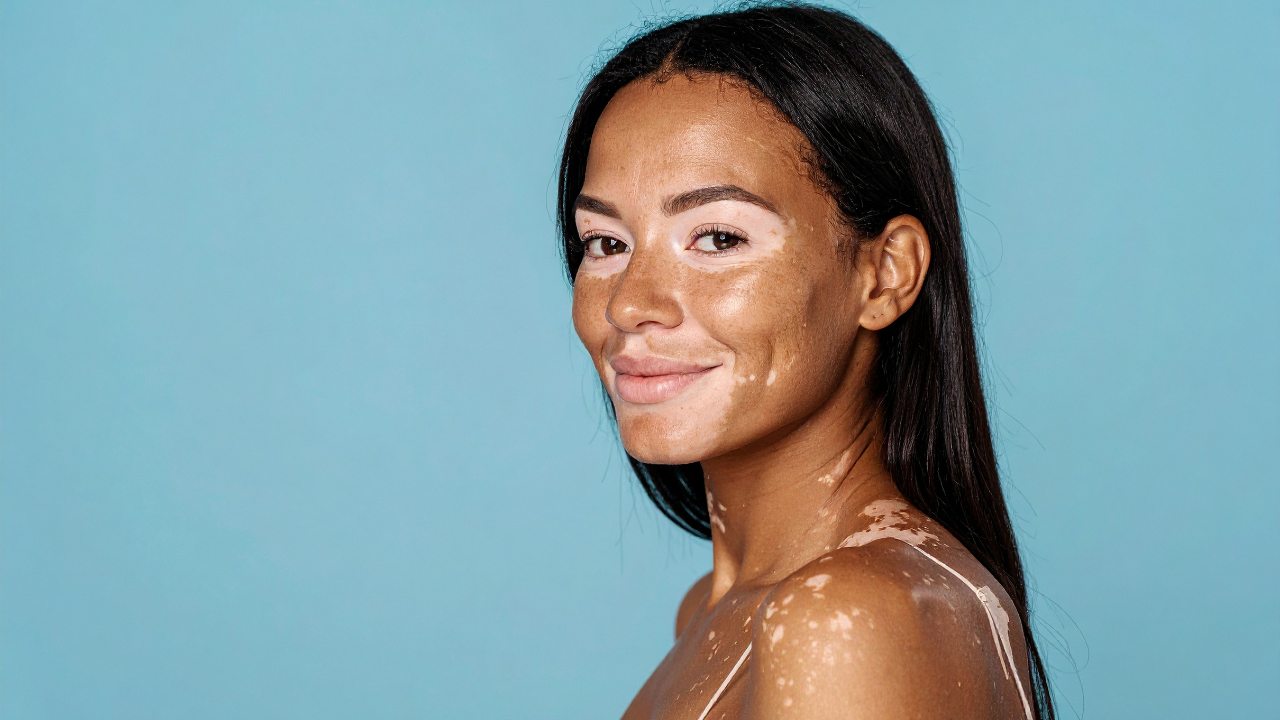
World Vitiligo Day takes place on June 25th.
ChatGPT said:
On World Vitiligo Day, let’s talk about a skin condition called vitiligo. You might wonder, “Isn’t that what Michael Jackson had?” Yes, it is. Michael Jackson faced harsh criticism for “bleaching his skin” to appear white. Many accused him of being a poor role model for Black children. Some even claimed he was “white-washing” himself.
But Michael Jackson had vitiligo. His autopsy confirmed it. Vitiligo causes the skin to lose pigment. When pigment disappears, patches of skin turn pale. These areas can grow over time.
To manage the condition, he used makeup and treatments. He tried to create an even skin tone. He wasn’t trying to lighten his skin—he was covering uneven patches. It worked well. You couldn’t always tell he had it. He masked the signs, but he didn’t erase the condition.
Vitiligo isn’t shameful. It’s more common than you might think. So, today, on World Vitiligo Day, let’s take time to understand it. Compassion starts with learning.
What Is Vitiligo?
Vitiligo is a long-term skin condition. It causes the skin to lose melanin. Melanin gives skin its color. Without it, the skin turns white. These white patches often appear in more than one area. Vitiligo can show up anywhere on the body. It affects all skin tones but is more visible on darker skin.
Is Vitiligo an Autoimmune Disease?
Melanocytes are the cells that make melanin. In vitiligo, these cells die or stop working. No one knows exactly why. Some believe vitiligo is an autoimmune disease. The immune system attacks the body’s own melanocytes by mistake. In autoimmune diseases, the immune system sees healthy cells as threats and destroys them. That’s what seems to happen in vitiligo.
The body normally uses the immune system to fight off bacteria and viruses. But when the system turns on itself, problems like vitiligo occur. That’s why doctors believe the immune system plays a key role in this disease. The name “autoimmune” means the body attacks itself.
Raise Awareness on World Vitiligo Day
Millions in the U.S. live with vitiligo. Most people are diagnosed before age forty. The condition can affect anyone, regardless of gender. Family history plays a big part. If someone in your family has it, you might be more likely to develop it, too.
Other links include early gray hair or autoimmune diseases like Hashimoto’s or type 1 diabetes. Vitiligo is not contagious. It does not spread from person to person. Sunburn and exposure to certain chemicals can trigger it. World Vitiligo Day helps spread this important information.
Symptoms of Vitiligo
The main symptom is patchy skin color loss. It can start suddenly and spread fast. These patches often show up in areas where skin folds or bends—like elbows, knees, and armpits. They also tend to appear around body openings like the eyes, mouth, or nose. Hands are another common spot.
Sometimes, pigment loss stays the same for a while. Then it may spread again. This cycle can repeat. The skin may lose pigment where it was injured or exposed to sun. It can also show up around moles or in the mouth and nose. Pigment usually doesn’t come back, but it can in some cases.
Types of Vitiligo – World Vitiligo Day
There are three types of vitiligo.
Generalized vitiligo is the most common. It shows up in symmetrical patches all over the body.
Segmental vitiligo often starts in young people. It usually spreads for a few years and then stops.
Localized vitiligo appears in just a few places. It may not spread much at all.
No one can predict how vitiligo will progress. In some people, it stops spreading. In others, it keeps going. There’s no way to know for sure.
Diagnosing Vitiligo
Doctors can usually diagnose vitiligo by looking at the skin. They may also do a biopsy or blood tests. A biopsy checks for changes in the skin. Blood tests may reveal other autoimmune issues.
There’s no cure for vitiligo. You can’t stop it from developing. Treatments help with the appearance. Corticosteroid creams may bring back some pigment. This works best if used early. Some people choose surgery or tattooing methods like micropigmentation. Results vary for each person.
Personalized Cause® and World Vitiligo Day Awareness
Personalized Cause® is a Texas-based awareness brand. We create custom awareness ribbons and other awareness gear. Our custom awareness pins let you add any name or message. You don’t have to order in bulk. You can buy just one if that’s all you need.
Personalized Cause® also offers non-custom awareness products like fabric ribbons, classic pins, and silicone wristbands. We launched our blog to educate and raise awareness. We believe awareness creates compassion. Misunderstanding often hurts more than the disease itself. We want to help change that.
Purple awareness ribbons raise awareness for vitiligo. Wear one to show support on World Vitiligo Day.
Recommended Articles:
You can view recommended articles for more information.
Post Tags :