
Scleroderma Awareness Month

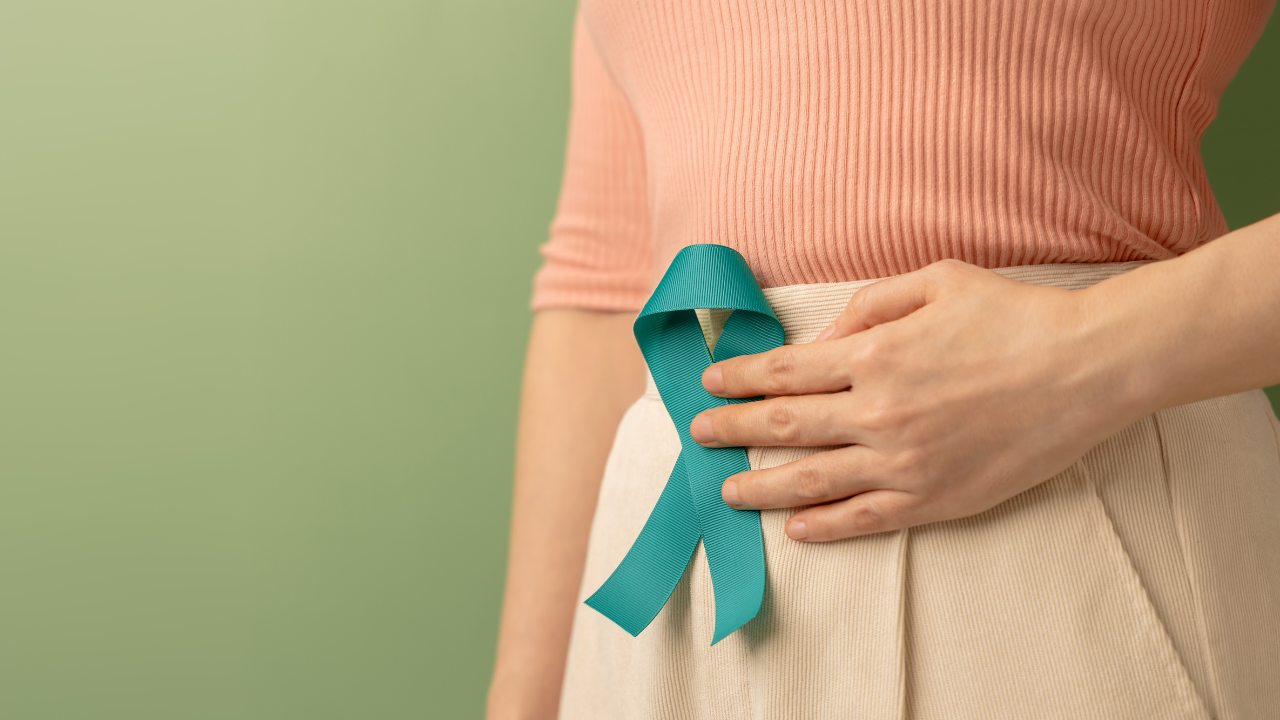
June is Scleroderma Awareness Month
Scleroderma tends to fly under the radar for most people—unless they know someone who is directly affected by it. That’s exactly why this awareness blog exists: to shine a light on both the familiar and the often overlooked. While we aim to raise awareness about well-known issues, we also believe it’s just as important to educate others about rare diseases and lesser-known causes that still impact thousands of lives. By sharing these stories and facts, we work toward building a more informed, compassionate, and inclusive society. Awareness is the first step toward understanding—and understanding fosters empathy, acceptance, and meaningful support.
Scleroderma is a chronic connective tissue disease that primarily affects the skin but can also impact internal organs, blood vessels, and the digestive system. It causes hardening and tightening of the skin due to an overproduction of collagen. Because its symptoms can vary widely—from mild skin changes to life-threatening complications—it’s often misunderstood or misdiagnosed. Raising awareness helps people recognize early warning signs, encourages timely medical attention, and supports continued research for better treatments. The more people understand this condition, the more likely those affected are to feel seen, supported, and empowered.
What is Scleroderma?
Scleroderma is an autoimmune disease. That means the body attacks its own healthy cells. Normally, the immune system fights viruses or bacteria to keep you well. But in autoimmune diseases, it mistakenly targets your own tissues. This attack causes inflammation. Over time, that inflammation leads to damage.
For example, long-term inflammation in the knees can cause joint pain or other damage. Every autoimmune disease follows this same process. What makes them different is where the body attacks itself. If you’ve read earlier blog posts, you may remember this: autoimmune diseases are like ice cream—same base, different flavors. So, what’s the “flavor” of scleroderma?
Characteristics of Scleroderma
Scleroderma is a chronic disease. There is no cure. It causes the body to make too much collagen. Collagen thickens and tightens the skin. This can happen on the outside of the body—or inside.
Internal thickening causes scarring. That scarring can affect the lungs, kidneys, and blood vessels. Hardened blood vessels lead to serious circulation problems.
There are two main types of scleroderma: localized and systemic. The difference lies in how much of the body it affects. Each type has its own subtypes.
Localized Scleroderma
Localized scleroderma has two types: morphea and linear.
Morphea causes hard, oval patches on the skin. These patches start reddish-purple. Over time, they fade to white in the center. In rare cases, morphea also affects internal organs. When that happens, it’s called generalized morphea.
Linear scleroderma often forms a line down the arm, leg, or face. Sometimes, it affects the lungs, intestines, or esophagus. When it does, doctors may call it CREST syndrome.
CREST Syndrome
CREST stands for:
Calcinosis (calcium deposits under the skin)
Raynaud’s phenomenon
Esophageal dysmotility
Sclerodactyly (tight skin on fingers)
Telangiectasia (tiny red blood vessels on skin)
These symptoms affect both skin and internal organs. Over time, scleroderma can harden organs until they stop working. In some cases, doctors may need to perform surgery to bypass damaged areas.
Diffuse Scleroderma
Diffuse scleroderma is a more aggressive form of systemic scleroderma. It spreads quickly and affects both the trunk and limbs. Like limited scleroderma, it can also damage internal organs.
Learn the Symptoms – Scleroderma Awareness Month
Scleroderma symptoms vary. Each person experiences them differently. Most patients have some combination of the following:
Thick, shiny skin (often on face or hands)
Raynaud’s (fingers/toes turn white, blue, or red when cold or stressed)
Ulcers or sores on the fingertips
Red spots on skin (telangiectasias)
Puffy or painful fingers and toes
Joint pain or stiffness
Muscle weakness
Dry eyes and mouth (Sjögren’s syndrome)
Swelling in hands or feet
Heartburn or acid reflux
Shortness of breath
Diarrhea
Unexplained weight loss
Skin Involvement
Skin changes are often the first sign. Raynaud’s is usually one of the earliest symptoms. It causes fingers and toes to feel cold, numb, or painful, especially during stress. Some people also have digestive issues. These may include acid reflux or trouble digesting food.
In some cases, scleroderma affects the heart, lungs, or kidneys. Without treatment, this damage can become life-threatening.
Diagnosis
Doctors diagnose scleroderma using a variety of tests. These may include:
Physical exam
Health history
Blood tests
X-rays
Pulmonary function tests
CT scans
Echocardiograms
Biopsies
Most patients are women between 30 and 50 years old. Doctors don’t know the exact cause. Like many autoimmune diseases, it may involve genetics, but not always.
Treating Scleroderma Symptoms
There’s no cure, but treatments can help. Rheumatologists often prescribe medications that suppress the immune system. These drugs slow the damage and reduce symptoms.
Doctors may also use medications to relax blood vessels. This helps prevent problems in the lungs or kidneys and can reduce Raynaud’s symptoms.
Treatments may include:
Immunosuppressants
Pain relievers
Acid reflux medications
Antibiotics (for infections)
Physical and occupational therapy
Therapy can improve movement, ease pain, and support independence.
Compassion and Awareness Matter
Scleroderma is complex. Many people have never heard of it. That’s why raising awareness matters. By educating yourself, you help create a more compassionate and informed world.
Personalized Cause® and Scleroderma Awareness Month
At Personalized Cause®, we specialize in custom awareness ribbons. You can personalize your ribbon with a name, date, or message. Our enamel pins are high quality and engraved one at a time.
We’re the only company in the U.S. that offers single, personalized awareness pins—no bulk order required. We also carry:
Classic enamel awareness pins
Fabric awareness ribbons
Silicone wristbands
All available in many colors.
Teal awareness ribbons represent scleroderma awareness. Wear one to show your support and spark a conversation. Together, we can raise awareness and make a difference.
Spreading awareness about scleroderma is essential not just during Scleroderma Awareness Month, but all year round. The condition can have a profound impact on every part of a person’s life—from their physical capabilities to their emotional well-being. By talking about it, sharing information, and wearing awareness symbols like a teal ribbon, we bring visibility to those silently battling this disease. Increased awareness leads to earlier diagnoses, stronger community support, and ultimately, better outcomes for those affected. Every conversation matters, and every ribbon worn makes a difference.
Recommended Articles:
You can view recommended articles for more information.
1_Bleeding Disorder Awareness Month
Post Tags :